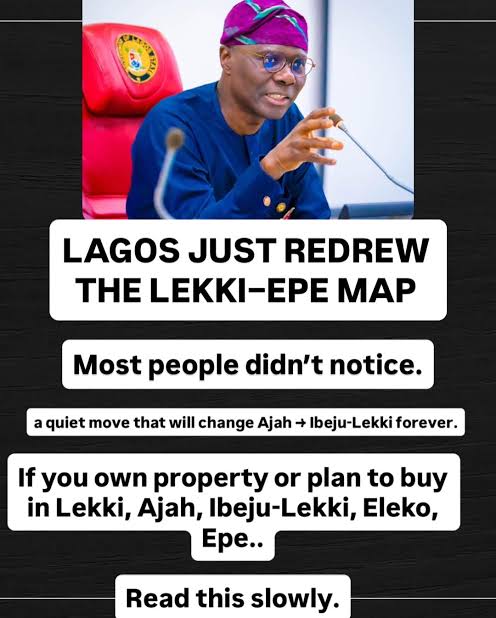
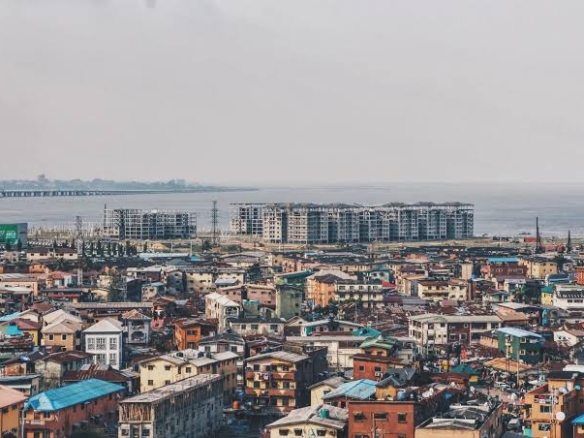
The landscape of the Lekki-Ajah-Epe corridor is changing—not just with new shopping malls and estates, but with heavy-duty steel and high-pressure pipes. While these projects are the heartbeat of the “New Lagos” economy, they are also becoming a nightmare for property owners caught in the Right of Way (RoW).
A recent stakeholders’ meeting at the Adeyemi Bero Auditorium in Alausa sent a clear message: The 132kV Power Project and the Gas Pipeline Initiative are officially moving into high gear.
Where the Lines are Being Drawn
The Lagos State Government, through the Ministry of Physical Planning and Urban Development, has mapped out two critical energy corridors that will define the region’s future:
The Electric Spine: A 132kV Power Transmission line stretching from the Ajah Transmission Station all the way to Eleko Junction. This is designed to finally stabilize power for the industrial boom in Ibeju-Lekki.
The Gas Artery: A high-pressure gas pipeline starting from Bonny Camp, passing through Abraham Adesanya, and terminating at Alaro City in Epe.
Why Some Buildings Must Go
The technical drawings are clear: infrastructure of this scale requires a massive buffer zone for safety. We aren’t just talking about 5 or 10 meters.
Depending on the specific section of the expressway, the Utility Corridor can span between 94 to 104 meters. If your fence, shop, or home sits within this “Dead Zone,” it is legally considered an encumbrance on the state’s master plan.
As the Commissioner for Energy, Biodun Ogunleye, noted during a session with all stakeholders, while the government aims to be fair, “the project must move forward.” For those without valid titles or those who ignored building setbacks, the threat of demolition is no longer a rumor—it is an impending reality.
Lessons from the Rubble
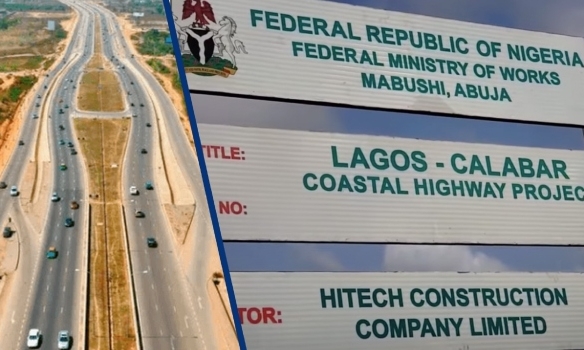
We’ve seen this story play out before. From the recent clearances at Lekki Palm City to the removal of structures along the coastal road, the pattern is consistent: The government is prioritizing infrastructure over illegal or poorly-positioned structures.
Many investors find themselves in this position because:
They relied on “family receipts” instead of official government coordinates.
They bought land during the “dry season” without checking the master plan for future utility lines.
They assumed a “C of O” from 1990 would protect them from a 2026 infrastructure update.
Don’t Build on a Foundation of Uncertainty
At Corewood Homes, we’ve watched these developments closely. We know that real estate isn’t just about the beauty of the structure; it’s about the Technical and Regulatory Mastery behind it.
Before we ever break ground or recommend an investment, we ask the hard questions:
- Does this land sit on a future gas corridor?
- What is the exact setback required for the 132kV high-tension lines in this specific area?
- Is the title resilient enough to withstand government audits?
Our team specializes in navigating the complex regulatory web of Lagos State, ensuring that when the government expands its reach, your investment remains untouched.
”In the race for Lekki-Epe real estate, speed is good, but compliance is God.”
Is your property in the line of fire? Don’t wait for the red “X” to appear on your walls.
Call or Email us today to see how we help investors navigate the complexities of Lagos land Laws, Approval & Legal Documents

Join The Discussion